I have stood on a humid Orlando doorstep at midnight with an empty pocket and a dead phone battery, and I can still feel the lag between panic and plan. This guide is for someone searching for 24/7 locksmith near me help for a home, apartment, or condo lockout, and it mixes practical steps with trade-tested judgment. Think of this as hands-on guidance from someone who has opened more stubborn deadbolts than they can remember.
How to know a lockout is an emergency worth a call
If a vulnerable person or a pet is inside and cannot get out, make the call without hesitation. When the situation is inconvenient but safe, factor time and cost into your choice rather than panic into the first number you find.
If the hardware looks damaged or the strike plate is bent, bring in a professional immediately. Expect an honest locksmith to outline repair versus replace options and to quote a price for a new deadbolt if needed.
What to expect when a 24 hour locksmith arrives
Most pros carry I.D. And a clear, readable invoice template and will talk you through steps https://locksmithtipsernx105.lucialpiazzale.com/emergency-lockout-service-orlando before beginning. They will typically try non-destructive entry first, then move to more invasive techniques only if needed.
Ask the locksmith to state a total price range and to confirm whether additional charges could appear. Clear pricing is a sign of professionalism, and you have the right to decline service that lacks transparency.
What to verify before a locksmith touches your door
Who is performing the work and are they licensed and insured in Florida? Ask for a written or verbal estimate that distinguishes emergency fees from base labor and parts costs.
If you are uneasy, take a picture of the technician’s badge and the van, but only after confirming the identity politely. It is reasonable to put safety first and verify credentials before inviting a stranger to work on your door.
Understanding emergency locksmith pricing in Orlando
Expect simple non-destructive entries during daytime to commonly fall into the low double-digits to low triple-digits, depending on the company. After-hours calls, including late nights and holidays, frequently add a premium that can double the base rate in some cases.
Hardware quality matters: cheap cylinders are less secure and cheaper, while higher-grade deadbolts cost more but give better long-term security. Clarify whether the estimate covers both parts and labor and whether you have options for different security grades.
Red flags and green lights when choosing a locksmith
Trustworthy providers show continuity: the same business name across invoices, a local address, and a phone number that rings to a live office. Beware of generic "we are on our way" texts from unknown numbers with inconsistent business names, and do not hire someone who declines to provide an address or credentials.
Look for clear vehicle markings and uniforms as a sign of professionalism, though this alone is not proof of quality. Local references and review patterns are more informative than a single glowing or negative review.
DIY options that are reasonable versus risky
If you have a spare key taped to an inconspicuous spot or a trusted neighbor, use that before calling a pro. Making a break-in style effort often turns a simple opening into a door replacement job later.
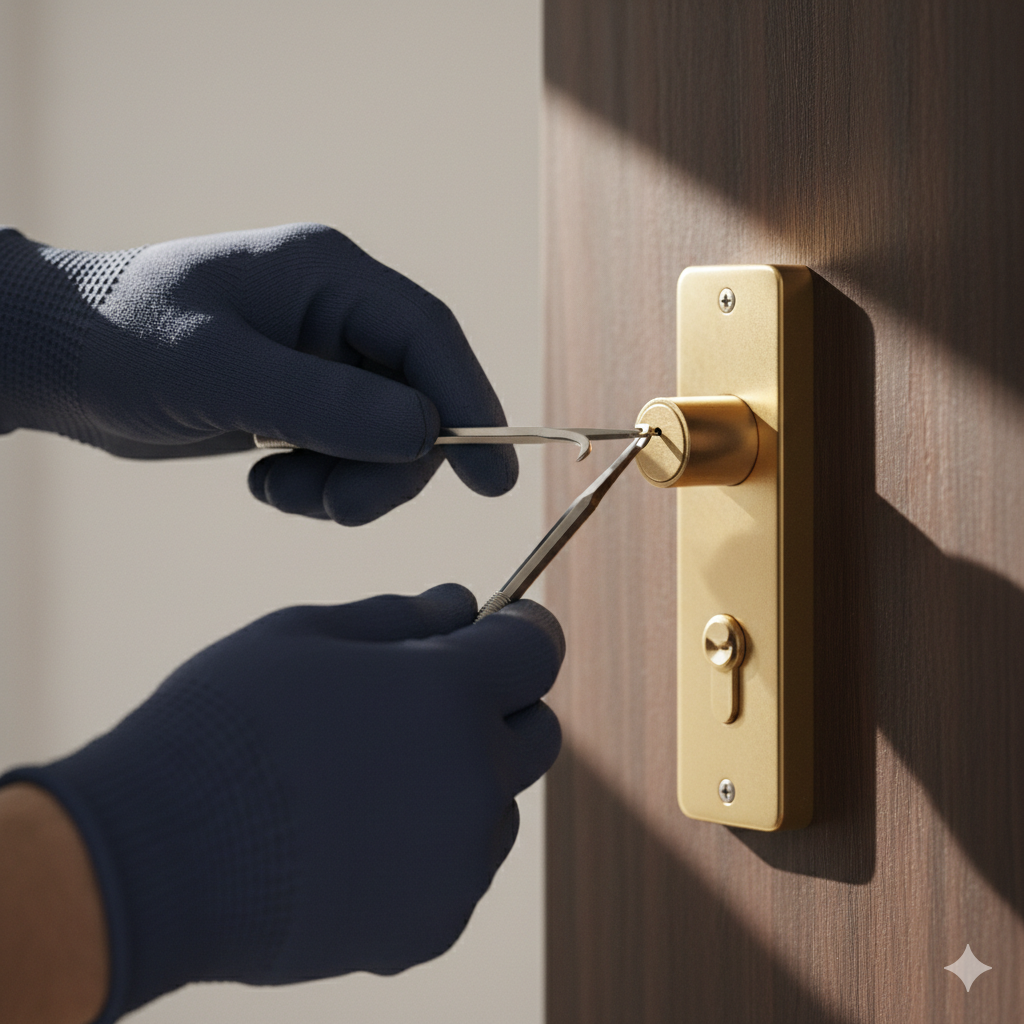
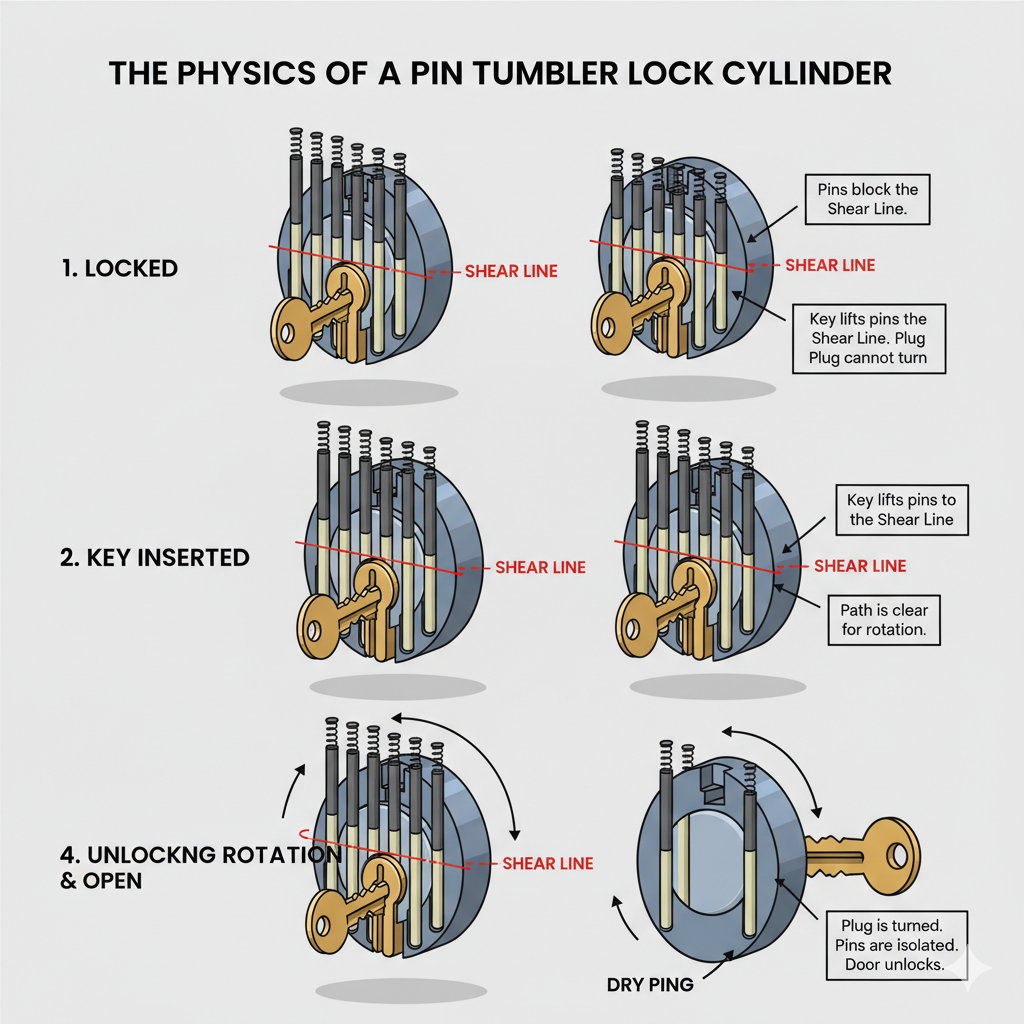
If you have experience and the right tension wrench and picks, non-destructive entry can be reasonable, but most homeowners do not have that skill. High-security or electronic systems demand a pro who understands the device and its warranty implications.
Steps to take once you regain access
After you get in, examine the perimeter and locks carefully for bent hardware, missing screws, or fresh marks. Reporting a suspicious entry attempt helps the police track neighborhood patterns and supports an insurance claim later.
If you cannot account for all copies of the lost key, rekeying or replacing the lock is the prudent path to ensure security. A locksmith can rekey a cylinder, giving you new keys without replacing hardware, or install a new deadbolt for higher confidence.
Upgrading security: realistic choices after a lockout
If your house has cheap grade 1 or 2 hardware, upgrading to a high-grade deadbolt is one of the best investments you can make. Simple reinforcements such as three-inch screws and a metal strike plate can prevent many common kick-in attempts.
Smart devices add flexibility for temporary access codes and monitoring, but they introduce new failure modes and maintenance tasks. Mechanical backups and physical keys remain valuable; choose a hybrid setup if you want both convenience and redundancy.
Quick checklist to keep in your phone for lost-key lockouts
Store contact numbers for a reliable 24 hour locksmith and two local acquaintances who can assist in case of an after-hours lockout. A discreet spare in a lockbox or with a friend prevents knee-jerk risky hiding places and buys time.
Decide ahead if you will accept after-hours premiums or prefer waiting for a lower-cost daytime call. Record the lock brand, model, and any key codes in a secure note so you can describe the hardware quickly during an emergency call.
Finally, check warranties, ask about guarantees on the work, and save receipts in case of later issues. Practical steps taken ahead of time reduce stress, limit cost, and restore security quickly after a lost-key lockout.