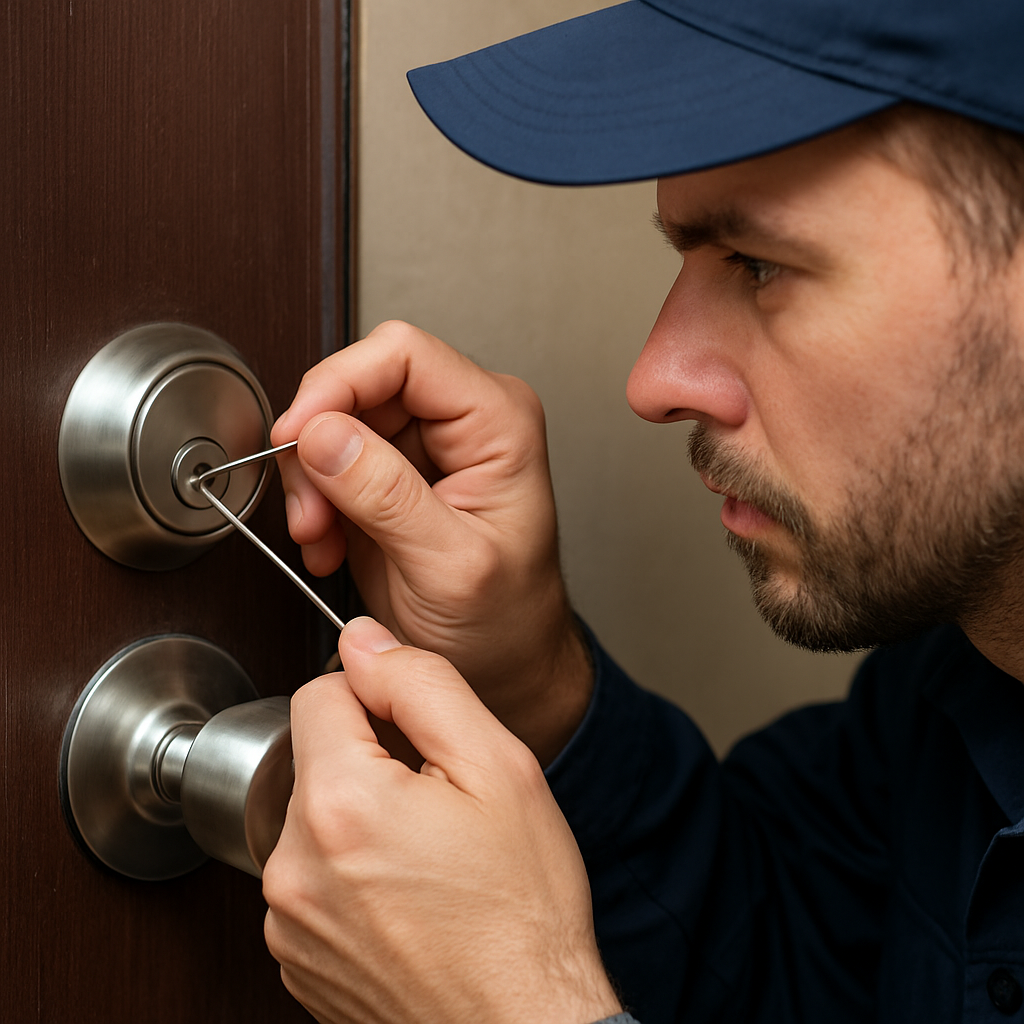
When a commercial door refuses to cooperate at midnight in Orlando, you need a locksmith who arrives fast and knows commercial hardware. I have walked into server rooms under fluorescent emergency lights and stood in parking-lot rain watching technicians rekey panic bars, so I write from real experience rather than theory. Below you will find an experienced perspective on response times, certifications, common commercial lock systems, and the small preemptive steps that prevent many after-hours crises.
Why a specialized commercial locksmith matters.
Commercial lockouts are not the same as home lockouts, and treating them the same invites trouble. Commercial-savvy technicians arrive with tools for mortise locks, electric strikes, and keypad systems rather than only bump keys and tubular pick sets. If you have servers, labs, or controlled storage, the locksmith must be comfortable working under asset-protection protocols and sometimes with an on-site manager present.
Services that separate a dependable 24 hour locksmith from a weekend hobbyist.
A professional emergency locksmith for businesses can open commercial doors without destroying hardware when feasible, replace or repair exit devices, and restore controlled access quickly. Look for skills in electronic access control, master key systems, panic bars, and commercial-grade deadbolts. Documentation is part of the service for businesses, so insist on written notes about the work performed and parts used, with serial numbers where relevant.
How fast should they arrive in Orlando traffic and weather?
When a company advertises instantaneous arrival, check whether they actually have nearby technicians on shift or if they rely on contractors who may be elsewhere. Companies with a fleet and multiple technicians tend to be more reliable than those that subcontract every call to an unknown third party. If you need guaranteed under-30-minute response for critical facilities, consider a service contract with priority dispatch, not just a one-off call.
Understanding the pricing model helps avoid sticker shock after a night call.
If someone promises a low flat fee before assessing the situation, be sceptical; commercial hardware varies and accurate quotes require observation. A typical after-hours call for non-destructive entry and a small repair might fall into a mid-three-digit range, while full lock replacements or electric strike work can push into higher amounts depending on parts. A reputable locksmith will explain the cost-benefit of repair versus replacement and document your sign-off if you authorize a more expensive fix.
How to make quick, defensible choices when a door fails at an inconvenient hour.
A full replacement is costlier now but might save repeated emergency calls and lower long-term maintenance. Consider the life stage of your existing hardware; if cylinders are decades old, replacement may be justified rather than rekeying worn components. A good locksmith will give you options and a timeline rather than press for the most expensive immediate sale.
What certifications and safeguards matter for a commercial locksmith.
Licensed and insured technicians protect your business from liability and give you recourse if something goes wrong during emergency work. Look for training with commercial brands and evidence of ongoing education rather than an only-once certification from years ago. Trustworthy professionals will explain trade-offs and document your authorization for any irreversible work.
Routine measures that save time, money, and stress.
Labelled key cabinets, access logs, scheduled cylinder lubrication, and verified backups for electronic keycards reduce human error and mechanical failure. Train staff on the difference between a jammed door and a security incident so escalations are appropriate. Rotate emergency contacts quarterly and verify availability, especially before busy seasons or planned events.
Two real-world examples that show how choices change outcomes.
The clinic manager had a pre-approved vendor on file, which removed delays for authorization and allowed the technician to act quickly and document the repair for insurance. Contrast that with a warehouse where a foreman chose the cheapest available technician who immediately drilled two deadbolts and left without paperwork, forcing the company to rekey the entire area later and file a claim for damaged https://jsbin.com/fepegoqele doors. Treat emergency responses as part of your continuity planning rather than a random expense.
Key clauses to include in a commercial emergency locksmith contract.
Negotiate a capped travel fee for your area, a regular hourly rate for planned work, and a defined emergency rate for nights and weekends to avoid surprises. Include an inventory of covered hardware if you want scheduled preventive maintenance visits, and decide whether the vendor will keep spare cylinders or keycards for faster replacement. Have legal counsel review terms that mention liability limits and warranty periods, because a locksmith cannot disclaim responsibility for negligent damage in many jurisdictions.
A short action plan you can implement this week.
Designate who can authorize after-hours locksmith work, and log that person on the vendor sheet with a backup contact in case they are unavailable. Keep a small kit of spare cylinders, weather-stripped thresholds, and basic tools on-site if you have an on-staff facilities person who can perform minor, approved repairs. A little planning and the right 24 hour locksmith Orlando can make emergencies feel like problems you solve rather than crises you endure.